


About the castle
A castle that has stood the test of time
A 12th-century Romanesque castle in the heart of Kozjansko Park.
Podsreda Castle is one of the most important monuments of Romanesque architecture in Slovenia. After more than 40 years of careful restoration, its crumbling walls have become a centre of culture, learning, gatherings and tourism – with its medieval character intact and modern comfort added.
- 12th century
- 4 Romanesque building phases
- restored since 1983
- Kozjansko Park

Podsreda Castle today
A living castle for travellers and locals
There is always something happening at the castle.
Alongside its remarkably preserved architecture, you will find exhibitions, family experiences, events and castle getaways.
- Castle tours with an audio guide or a castle guide
- Permanent and temporary exhibitions for adults and children
- Treasure Hunt and Virtual Castle
- Castle Café and the Visitor Centre with a shop of local products
- Concerts, cultural events and weddings
- Castle Rooms and Apartments for a castle getaway
History
A 12th-century refuge
Hörberg – a shelter where soldiers sought safety.
Research during the restoration revealed four separate Romanesque building phases completed within a short time. The medieval core has survived the centuries almost untouched, earning the castle a special place among Europe’s medieval castles.
The original German name Hörberg or Herberch means shelter. Today’s name Podsreda most likely comes from Wednesdays (sreda), when market and court days were held in the town.

Timeline
Eight centuries of castle history
From Romanesque beginnings to careful restoration.
The noble families who once ruled the castle give their names to today’s Castle Rooms and Apartments.
- c. 1000Estate of the Counts of Breže-Selše, later of Countess Hemma of Gurk.
- c. 1150The northern palace is built – the beginning of the castle.
- 1180A tall defence tower – the bergfried – rises.
- 1213First mention of the castle in written sources.
- 1220The southern palace is built.
- 1260A tower with a chapel is added.
- 14th centuryFrederick of Sanneck buys the castle; it stays with the Counts of Celje until their line dies out, then passes to the Habsburgs.
- 1617Count Sigmund Tattenbach buys the castle.
- 1701Countess Eleonora E. Barbo inherits it, followed by her daughter Maria H. von Apfaltrern.
- 1787Baron Franz Lazarini becomes the owner.
- before 1848Prince Weriand Windischgrätz gives the castle its present appearance.
- after 1945After the Second World War the castle becomes state property.
- 1983Kozjansko Park takes over management and begins systematic restoration.
Discover the castle
The castle up close
Tours, pampering, events and a night behind the castle walls.
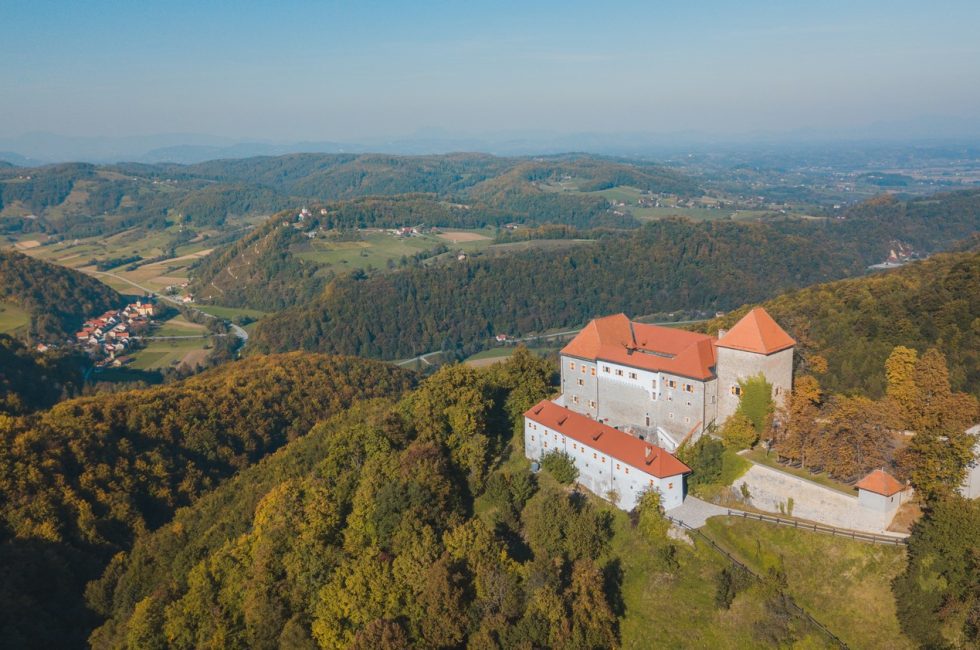
Castle tours
Visiting the castle
Opening hours, admission and everything for a self-guided or guided tour.

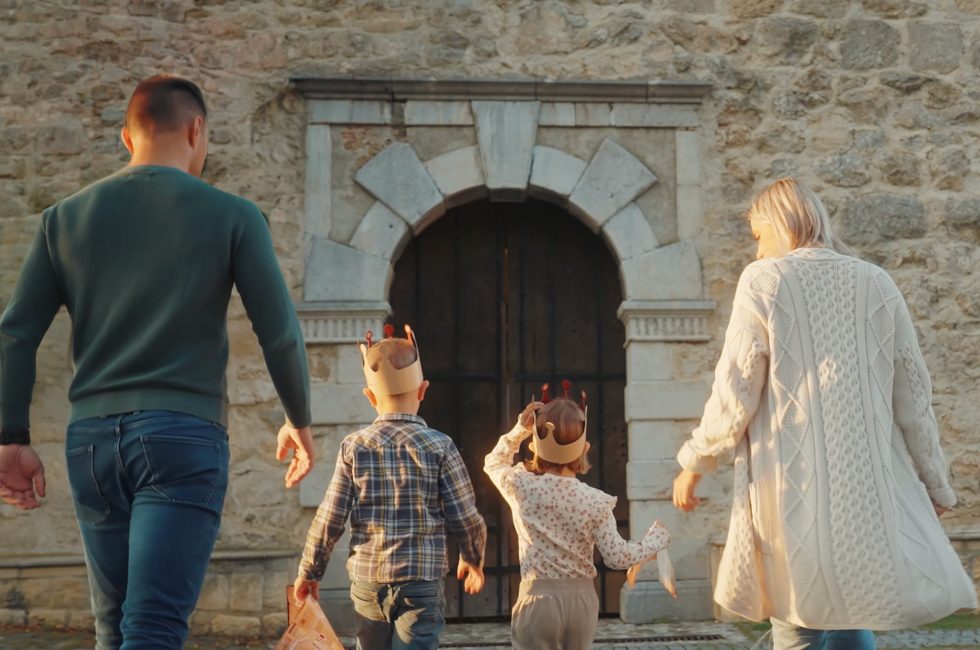

Pampering
Private Castle Wellness
Jacuzzi and Finnish sauna for two – three hours of castle peace just for you.
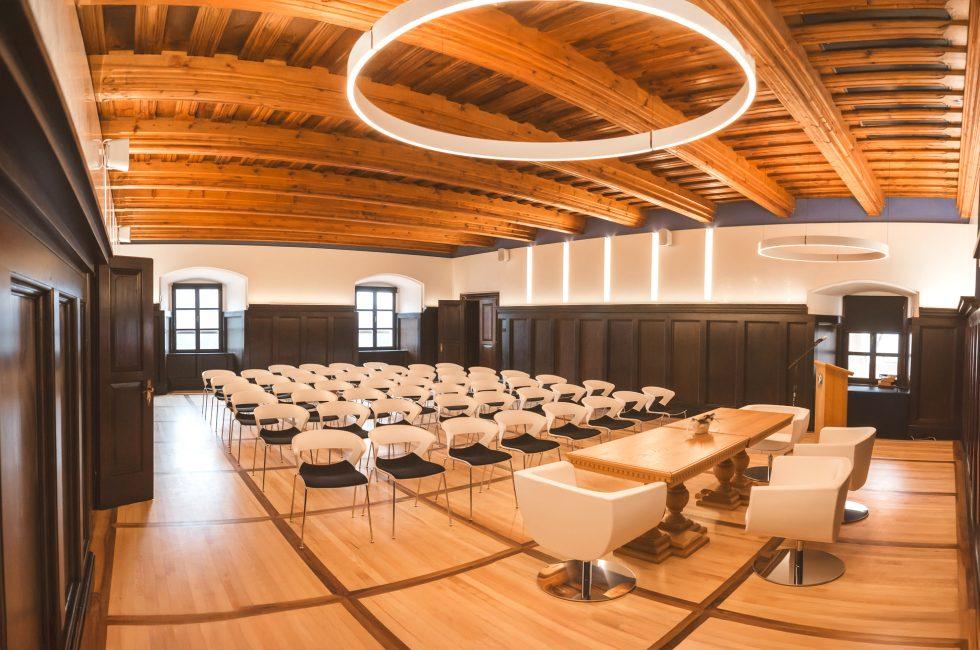
For your events
Venue hire
Castle halls and courtyard for celebrations, meetings, concerts and filming.
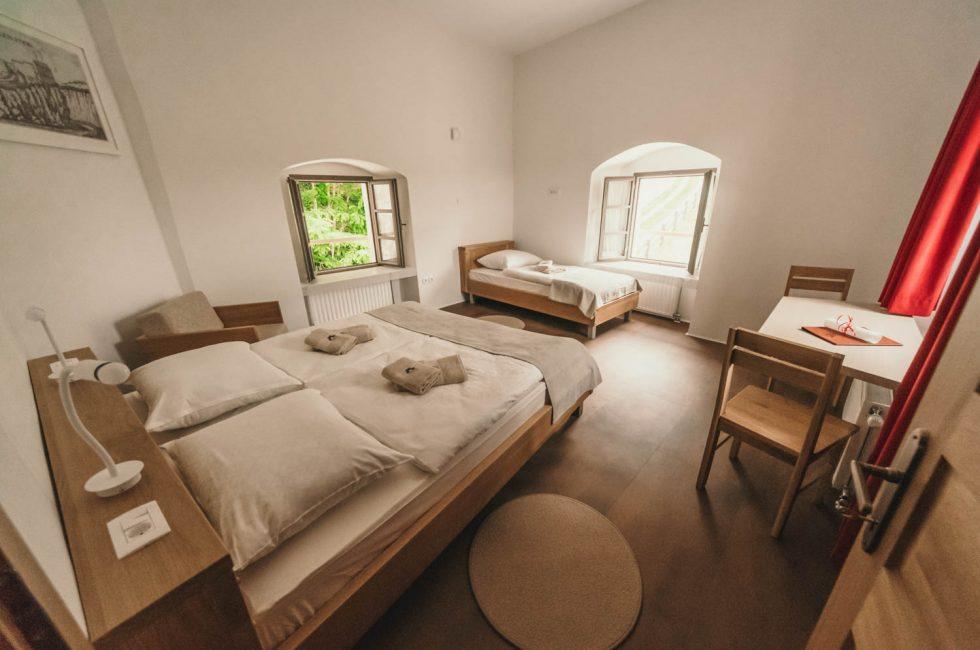
Castle getaway
Castle Rooms and Apartments
Sleep behind the castle walls, in the silence of centuries and nature.
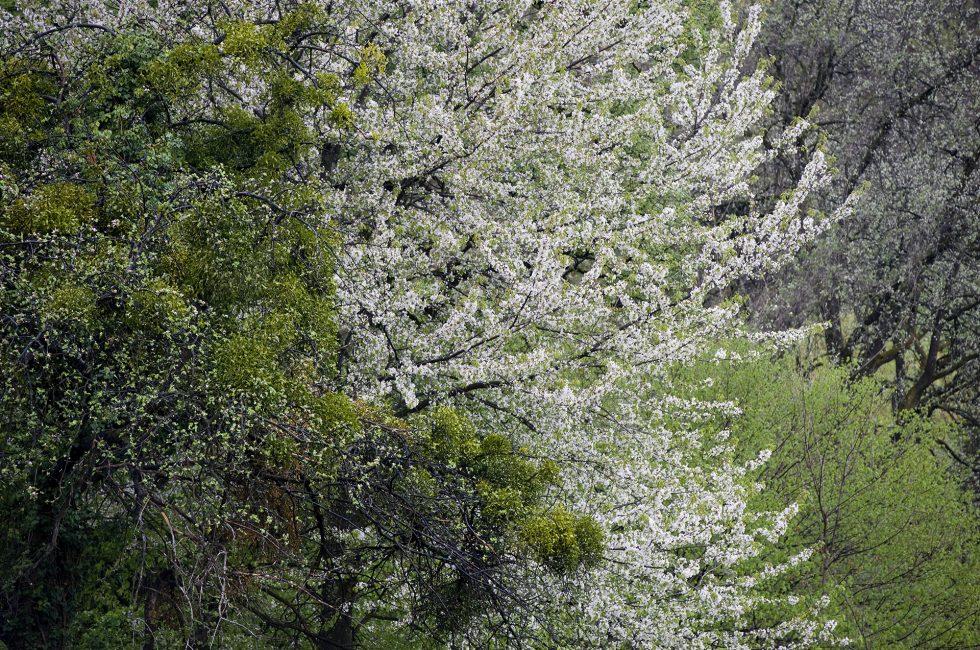
Kozjansko Regional Park
A castle at the heart of protected nature
One of the oldest and largest parks in Slovenia.
The park covers 206 km² where the Alpine and Pannonian worlds meet, between the Sotla river and Mount Bohor. It is known for its traditional orchards, dry meadows and beech forests, and the Kozjansko apple has become its symbol.
- Seventy percent of the park is part of the Natura 2000 network.
- Since 2010 it has been part of the UNESCO Kozjansko and Obsotelje Biosphere Reserve.
- In 2021 it became the first in Slovenia to receive the UNESCO-Greece Melina Mercouri Prize.
Film
Kozjansko Park in motion
Nature, biodiversity and the cultural heritage of Kozjansko.
The film is by nature photographer and filmmaker Matej Vranič and was made partly within the LIFE Naturaviva project.
Sustainability
A heritage we pass on
Green Key, Slovenia Green Attraction and Slovenia Green Accommodation.
We see heritage not as property but as a value to preserve for future generations. Through green practices in maintenance, services and our offer we reduce our impact on the environment and work with local producers.
Frequently asked questions
What you want to know about the castle
Short answers about its history and visiting.
When was Podsreda Castle built?
Building began around 1150 with the northern palace. By 1260 a defence tower (bergfried), the southern palace and a tower with a chapel had been added. The castle is first mentioned in written sources in 1213.
Why is it called the most castle-like of all castles in Slovenia?
Because its Romanesque core has survived the centuries almost untouched. Research has revealed four separate Romanesque building phases, placing it among the finest medieval castles in Europe.
Where does the name Podsreda come from?
The original German name Hörberg or Herberch means shelter. Today’s name is unrelated – it most likely comes from Wednesdays (sreda), when market and court days were held in the town of Podsreda.
Who owns and manages the castle?
The castle is a monument of local importance owned by the Municipality of Kozje. Since 1983 it has been managed by the Kozjansko Park public institute, which began its restoration that same year.
What can I see at the castle?
The castle rooms with an audio guide or a castle guide, permanent and temporary exhibitions, the Treasure Hunt and the Virtual Castle. The castle also has the Castle Café, a Visitor Centre with a shop of local products, and Castle Rooms and Apartments.
How do I get to the castle?
A scenic 5 km road suitable for all vehicles leads from Podsreda to the castle, as well as a cycle path. There is a car park with an EV charger in front of the castle.
News
Latest from the castle
Event highlights, notices and castle stories.
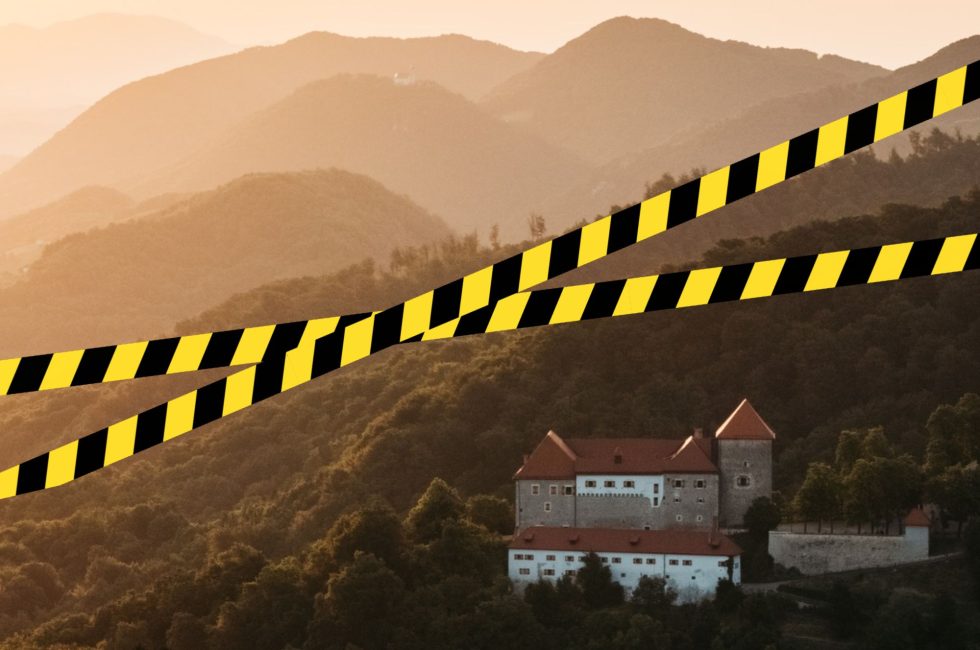
The castle will be closed on Friday, 27 November
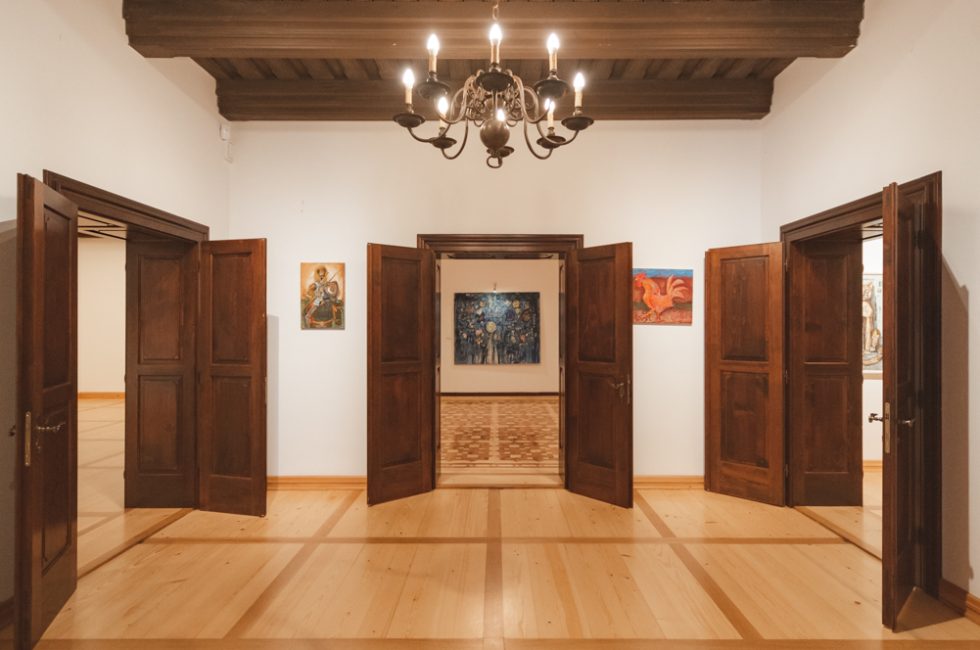
Notice: the France Slana painting exhibition is currently closed
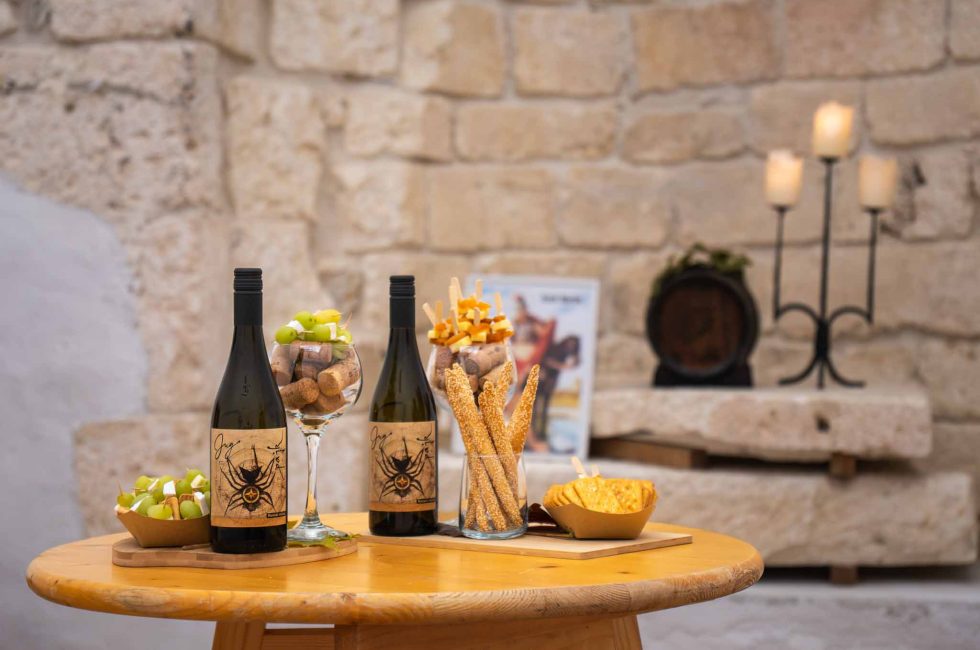
Castle Toast to Wine: hidden chambers, a secret map and Jug Winery wines

Podsreda Castle Trail is closed until further notice
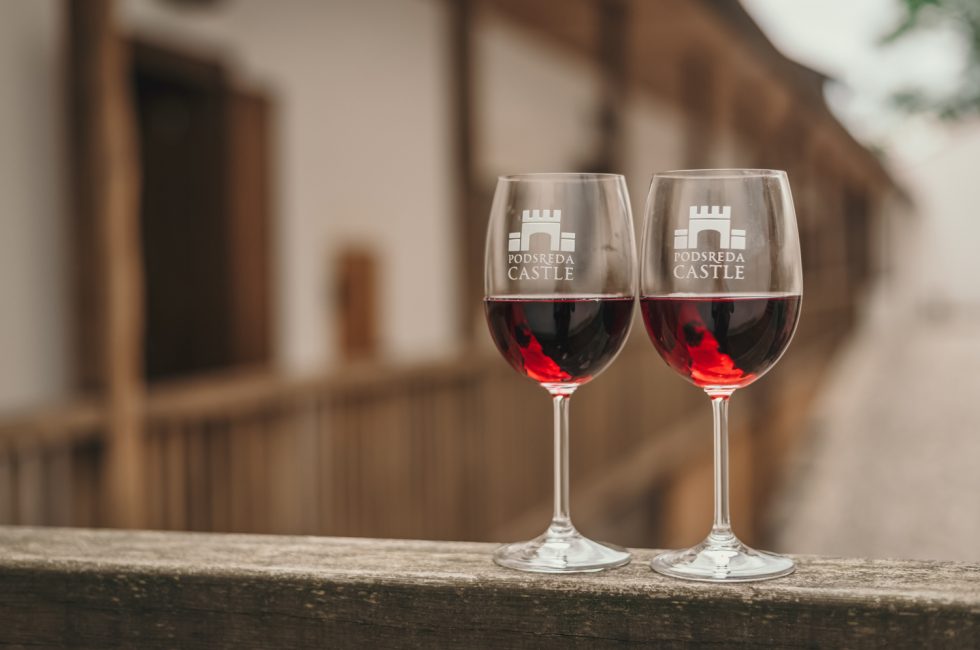
Castle Toast to Wine: castle exploration and fine wines
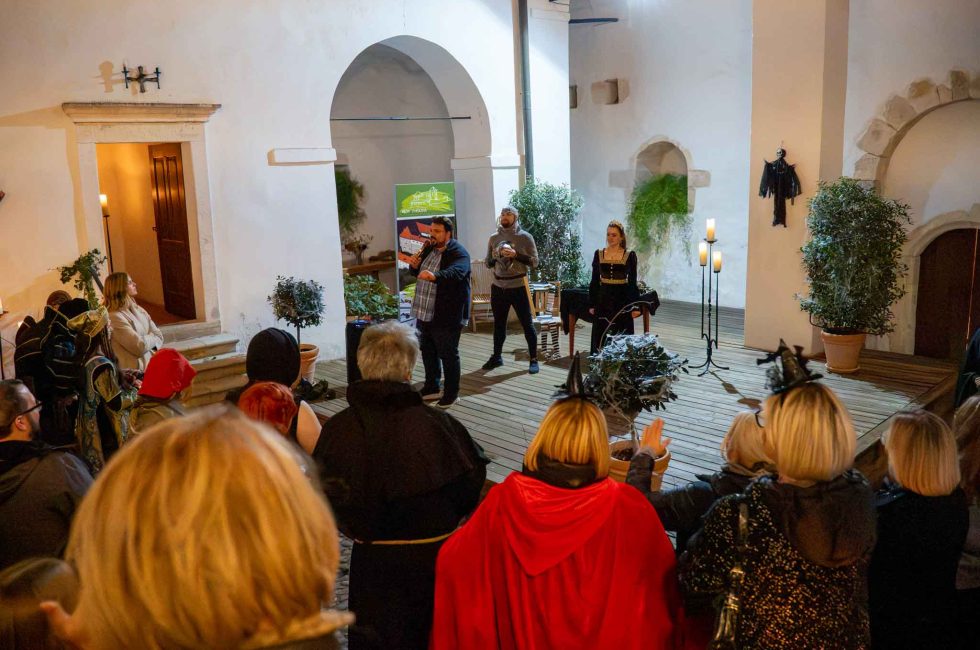
Murder Mystery at Podsreda Castle: who was the murderer?
Newsletter
Castle news in your inbox
Be the first to hear about concerts, exhibitions and castle experiences.